_edited.png)
LEMA FOMBIN ON BETRAYAL, HEALING & THE COURAGE TO REBUILD - VORAKA

Lema Fombin is an author, entrepreneur, personal-development advocate, and visionary creator whose work is centered on healing, resilience, self-worth, relationships, personal transformation, and purposeful living. Originally from Cameroon, Fombin's perspective has been shaped by African values, global experiences, personal challenges, professional growth, and a deep understanding of the emotional struggles people often face in silence. His writing explores deeply human experiences including betrayal, broken trust, loss, emotional exhaustion, family challenges, burnout, disappointment, recovery, and the courage required to begin again.
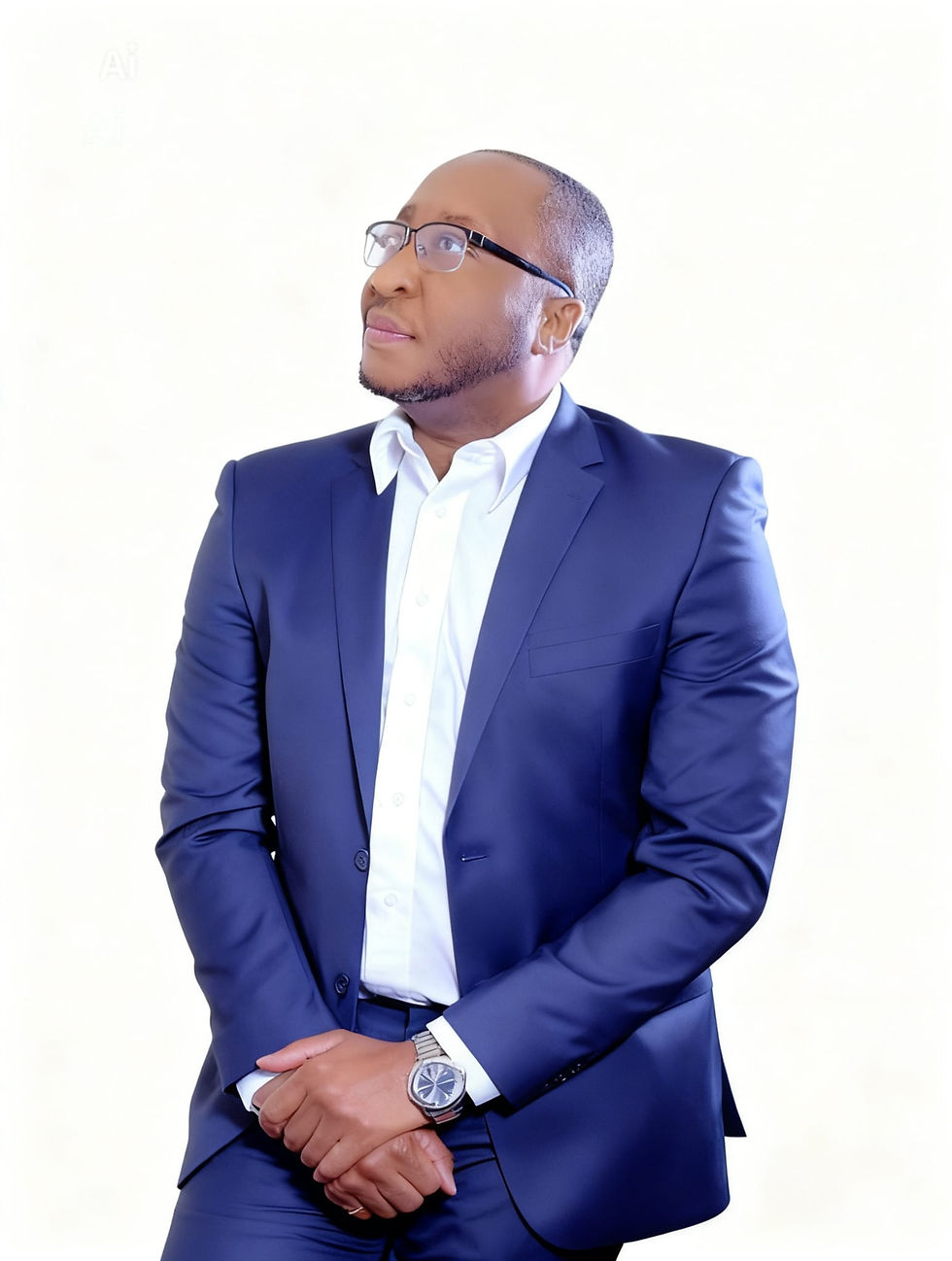
As an author, Fombin approaches difficult subjects with honesty, compassion, and hope. His work emphasizes that difficult experiences do not have to define a person's future. Instead, adversity can become a foundation for greater wisdom, stronger boundaries, renewed confidence, and a more purposeful life.
His literary work is complemented by his entrepreneurial vision. Fombin is the creator of KLEANKLAS, an emerging lifestyle and e-commerce brand focused on quality, affordability, practicality, accessibility, and modern living. He is also the creator of PLANTORIZE, a personal-development and planning brand built around planners, journals, wellness tools, productivity resources, relationship-focused products, and personal-growth materials.
Together, his books, brands, and ventures represent a broader mission: creating meaningful resources, products, and experiences that can positively impact people's lives. For Fombin, success is not simply measured by achievement. It is measured by the ability to transform personal experiences into something that can inspire, empower, and serve others. His long-term vision is to build an international platform connecting literature, entrepreneurship, personal development, wellness, and purpose.
ABOUT THE BOOK: THE SILENT BETRAYAL
The Silent Betrayal by Lema Fombin is an emotionally compelling exploration of betrayal, broken trust, relationships, self-discovery, healing, resilience, and the difficult journey of rebuilding one's life after being deeply hurt by someone once trusted.

Betrayal can transform a person's life in an instant, but its deepest impact often continues long after the event itself. It can create confusion, anger, grief, self-doubt, emotional exhaustion, and painful questions about what was real and what was hidden.
Through The Silent Betrayal, Fombin explores the emotional realities that often remain unspoken after trust has been broken. The book asks questions many people silently carry: How could someone I trusted hurt me? Why did I not recognize the warning signs? Was everything I believed a lie? How do I rebuild my confidence? Can I ever trust again? How do I forgive without losing myself? And how do I move forward when the future I imagined suddenly disappears?
Rather than presenting healing as an immediate or simple process, the book emphasizes honesty, courage, reflection, patience, and self-compassion. It encourages readers to rebuild self-worth, recognize unhealthy patterns, establish stronger boundaries, rediscover identity, release emotional dependence, and find the courage to create a new beginning.
Its message extends beyond romantic relationships. The emotional lessons can resonate with anyone who has experienced broken trust within friendships, families, marriages, partnerships, professional relationships, or other important areas of life.
Ultimately, The Silent Betrayal is a journey from pain toward awareness, from confusion toward clarity, and from emotional brokenness toward personal strength. As Fombin's work suggests, healing does not mean pretending the past never happened. It means reaching the point where the past no longer controls the future.
EXCLUSIVE INTERVIEW WITH AUTHOR LEMA FOMBIN
What inspired you to write The Silent Betrayal, and why was this story important to tell?
The inspiration came from realizing that some of the deepest forms of betrayal are not always dramatic. Sometimes they happen quietly, through emotional distance, concealed truths, broken promises, or simply sensing that something is wrong before you fully understand why. I wanted to give language to that experience because many people carry these questions privately. But I also didn't want the book to glorify pain. The deeper purpose was always transformation. Betrayal may open the story, but healing, self-worth, resilience, and reinvention are what give it meaning.
What do you hope readers feel after turning the final page of your book?
I hope they feel stronger and understand that healing doesn't mean forgetting. It means changing the power the past has over your present. More than anything, I want readers to feel that they have permission to begin again, to say, “Yes, this hurt me, but it will not be the only thing that defines me.”
I want them to leave with one conviction: I can rebuild.
How much of your personal journey is reflected in your writing?
A great deal of my writing comes from personal reflection, observation, lived experience, and the lessons I've learned through difficult and meaningful seasons of life. My journey has taught me about ambition, disappointment, resilience, relationships, entrepreneurship, and reinvention. Those experiences naturally influence my writing. But my goal isn't simply for readers to understand me. I want them to understand themselves through my work. When writing becomes a mirror rather than just a window, that's when it becomes powerful.
Why do you think betrayal can become a powerful catalyst for personal growth?
Betrayal forces us to confront truths we might otherwise avoid. Initially, we ask, “Why did they do this?” But healing eventually changes the questions to: “Who am I now? What did I learn? What do I deserve? What will I never tolerate again?” That shift is important. You move from being consumed by what someone else did to deciding what you will do with your own life. I would never romanticize betrayal. Pain doesn't automatically make us wiser. But the clarity, self-respect, wisdom, and strength we develop while rebuilding can become transformative.
What was the most emotionally challenging part of writing this book?
The most challenging part was writing about the invisible aftermath. People often focus on the moment of betrayal, but sometimes the hardest part is waking up the next morning when life continues as normal while internally, everything has changed. I also wanted to make sure the story didn't remain centered on the person who caused the pain. Eventually, healing requires you to shift the center of the story back to yourself. The person who betrayed you cannot remain the main character forever. You have to become the center of your own life again.
How do you hope your work changes the way people view healing and resilience?
I want to challenge the idea that resilience means never falling apart. Sometimes resilience means crying and continuing. Sometimes it means asking for help, resting, admitting you're not okay, or walking away from something that no longer serves you. I also believe healing isn't always about returning to who you were. Sometimes it's an evolution. You become more discerning, intentional, self-aware, and courageous about your boundaries. Strength isn't pretending you're fine. Sometimes strength is simply saying, “This no longer deserves access to me.”
What role has entrepreneurship played in shaping your perspective as an author?
Entrepreneurship has taught me that progress is rarely linear. Ideas fail, strategies change, products underperform, and setbacks happen. The question is always: Do I stop, or do I learn and rebuild? That philosophy naturally influences my writing. A relationship can fail without your life being a failure. A business can fail without you being a failed entrepreneur. A setback can redirect you without destroying you.
KLEANKLAS and PLANTORIZE are extensions of that same philosophy.
KLEANKLAS represents lifestyle, quality, accessibility, and modern living, while PLANTORIZE focuses on turning intention into structured action. The philosophy behind PLANTORIZE is simple: EVERY DREAM DESERVES STRUCTURE.
What has been the most memorable feedback you've received from a reader?
The feedback that stays with me most is when someone says, “I felt understood.”
People often carry emotions they don't know how to explain. When someone reads your work and finally finds words for something they've been carrying silently, literature becomes more than entertainment. It becomes recognition and companionship. If something I've written helps someone establish a boundary, pursue healing, reclaim their confidence, or believe that their life can still become meaningful, that is the kind of impact that stays with me.
What advice would you give someone learning to trust themselves again after heartbreak?
I would tell them to begin with themselves rather than immediately asking whether they can trust someone else.
Ask: Can I trust myself again?
Start small. Keep promises to yourself. Honor your boundaries. Pay attention to consistent patterns rather than promises. Learn to distinguish someone's potential from their actual behavior.
And remember, forgiveness doesn't require access. You can forgive someone and still choose distance.
Self-trust grows when you prove to yourself, repeatedly, “I will no longer abandon myself in order to keep someone else.”
What can readers expect from your upcoming books and future projects?
My future work will continue exploring transformation through experiences such as loss, burnout, failure, identity crises, financial challenges, and unexpected transitions. When Everything Fell Apart: The Journey from Betrayal and Loss to Healing, Success, and Self-Worth goes deeper into rebuilding when the life you planned no longer exists. I'm also developing Burnout to Breakthrough™: The Complete Burnout Recovery Blueprint for Mental Clarity, Emotional Healing, and Lasting Transformation, which explores burnout, emotional exhaustion, boundaries, resilience, rest, purpose, and sustainable transformation.
Beyond books, I see PLANTORIZE and KLEANKLAS continuing to grow as part of a larger ecosystem focused on helping people build better lives.
What legacy do you hope to leave through your writing and your work?
I want my legacy to be measured by impact rather than output. I don't want the question to be only how many books I wrote or businesses I built. I want to know whether someone believed in themselves again, decided not to give up, discovered their purpose, or found the courage to start over. My African background is also an important part of that vision. I want young African dreamers to see that their ideas can reach the world. Ultimately, I want everything I create to be connected by one philosophy: TRANSFORMATION WITH PURPOSE.
How does it feel to be featured on the cover of VORAKA Magazine, and what does this recognition mean to you?
Being featured on the cover of VORAKA Magazine is an honor and a meaningful moment of reflection.
A cover captures one moment, but behind that image is a much longer story, discipline, sacrifice, uncertainty, rejection, persistence, learning, and rebuilding. I'm grateful to VORAKA for creating a platform where stories, voices, and ideas can reach wider audiences. But I don't see this as an arrival. I see it as another beginning. The message I want people to take from this feature is simple: your present chapter is not necessarily your final chapter. You can heal. You can rebuild. You can create again. You can dream again. And you can build a life that is different from what you originally imagined and still deeply meaningful.


Comments